
Get more from your yearly checkup or well-child visit
These visits are a chance to talk openly with your provider, ask questions and stay on top of your health. Here are a few simple ways to feel prepared and get the most out of your appointment.
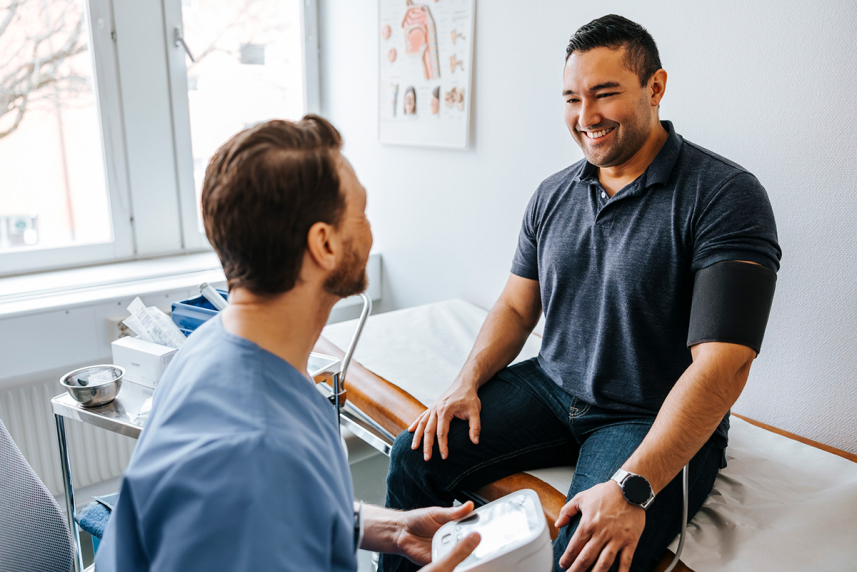
Doctor’s visits aren’t just for when you’re sick. Regular check-ins with your primary care provider (PCP) help you track your health and spot problems early. For kids, checkups help you track their growth and development and stay up to date on vaccines.
Your Aetna plan covers checkups at no cost to you. If your PCP recommends any preventive tests and screenings, those are covered, too. Even better, many plans offer rewards, like gift cards, for completing checkups and screenings. Check your plan's website or your member handbook for more info.
Not sure what to expect or how to prepare for your checkup? Read on for answers to common questions.
When should I get a checkup?
Adults should see their PCP for a checkup at least once a year.
Kids need checkups, called well-child visits, more often based on age. Here’s what experts recommend for little ones:
- Babies under a year old should see their PCP at 3-5 days, 1 month, 2 months, 4 months, 6 months and 9 months.
- Children 1 to 3 years old should see their doctor at 12 months, 15 months, 18 months, 24 months and 30 months.
- Kids three years and older should see their doctor once a year.
Try to schedule a checkup within the first month of your health plan start date. Your PCP will let you know if you’re due for any screenings or tests. That way you can get a head start on booking those appointments for the year.

Aproveche al máximo sus beneficios
What happens at a checkup?
During these visits, your PCP will learn about your health. They may:
Review your health history
If you're seeing a new PCP, they may ask about:
- Long-term health conditions
- Medicines and supplements you take
- Past surgeries or procedures you’ve had
- Family health history
- Mental health
They may also ask about your home life, work, relationships and more. This helps them get a full picture of your health and lifestyle.
If your PCP hasn’t changed, they’ll ask about any changes to your health since your last visit.
Talk about preventative care
Your PCP may suggest screenings, tests or vaccines you need. They may run these tests or give vaccines during the checkup. Or they can help you book any follow-up visits if needed.
Do a physical exam
Your provider will check vital signs like your blood pressure and heart rate. They may check other parts of your body as well for any issues. For women, your checkup may include a pelvic exam.
Well-child visits
These visits are a chance for your provider to:
- Do a full physical exam
- Check vision, hearing and dental health
- Give vaccines as needed
- Track growth and development
- Ask about your child’s behavior, language skills and overall progress in learning and growing
- Answer your questions and provide advice on things like sleeping, feeding and safety
How do I prepare for the visit?
If you only see your provider once a year, make the most of that visit. These tips can help:
- Write down your questions and concerns before you go. It’s easy to forget what you want to ask during the visit. Having your list of questions handy helps you cover everything on your mind.
- Know your family medical history. It can offer clues about health issues you may be at risk for. Make note of any conditions your parents, grandparents or siblings have had. This will help your PCP decide which health screenings you might need and when.
- Be honest. Talking about certain health issues can be uncomfortable. But don’t let that stop you from bringing things up. Your PCP is there to help, not judge. Being honest and detailed will help them take better care of you.
- Bring a trusted person. Yes, you can bring someone with you! They can help take notes and ask questions if you forget anything.
- Record your conversation. That way you don’t have to worry about taking notes while you talk. (Ask your PCP if it’s OK first.)
- Help calm kids’ nerves. If your child gets anxious about doctor visits, this article has tips that can help ease their fears.