How to tell if your child is being bullied
Learn how to spot the warning signs — and how to support your child.
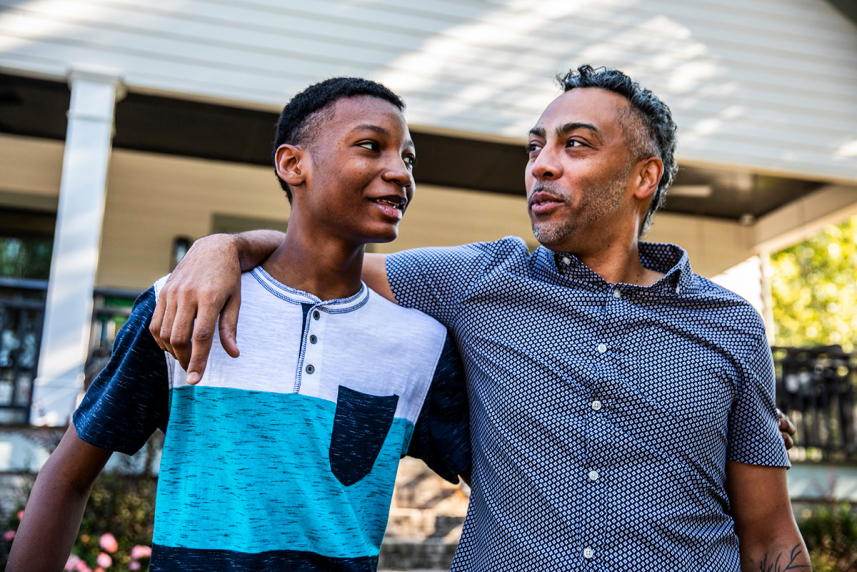
Bullying can happen to any child, at any age. About 1 in 5 teens say they’ve been bullied. And for younger children, about 1 in 10 experience it.
Bullying is never your child’s fault. You don’t need all the answers to help.
The best thing you can do is be a safe space for them and let them know they aren’t alone.
Read on to learn what bullying looks like and how to spot warning signs.
What is bullying?
Bullying can take many forms. It can be physical, like hitting or pushing. It can also be verbal or social. That can include teasing, name-calling, or leaving someone out.
Bullying can also happen online. It can happen through texts, social media and group chats. Adults may not see it.
Kids don’t always tell someone when bullying is happening. That’s why knowing the warning signs can help you step in early.

Get the most out of your benefits
Signs of bullying in young kids
In elementary school, bullying is often more physical or direct. It may include pushing, shoving or taking belongings. It may also include calling mean names or leaving a child out.
You might notice changes like these:
- Unexplained bruises, cuts or injuries.
- Lost or damaged items, like a jacket, backpack or lunch box.
- Fear of going to school or riding the bus.
- Frequent headaches or stomachaches.
- Asking for help with things they used to do on their own.
Signs of bullying in older kids
Middle and high school can feel tough. At this age, kids are trying to fit in, make friends and feel accepted.
They may not know how to handle new emotions like stress, jealousy or feeling left out. And social media can make problems feel bigger and harder to escape.
Physical bullying can still happen at this age. But social bullying may happen more often at this age. And it can happen through texts, social media or group chats.
Look for signs like these:
- Being more irritable or withdrawn at home.
- Sudden change in friend groups or stopping contact with certain friends.
- Quitting activities they used to enjoy.
- Falling grades or more trouble at school.
- Lower self-esteem.
- Changes in eating habits, like skipping meals or overeating.
- Much more or much less time on their phone or online.
Keep in mind, your child might not show clear signs of being bullied. Check in with them often, even when things seem “fine.”
What to do if you think your child is being bullied
Stay calm and start by listening. Let them know it’s not their fault, and you’re glad they told you. Feeling believed and supported can help your child open up.
Ask gentle questions. Avoid rushing to fix everything right away. Some kids want advice. Others just want to talk. You can ask, “What would help right now?”
If your child wants advice, help them choose safe options, like:
- Staying close to friends or being part of a group
- Walking away or not responding when it’s safe to do so
- Practicing what to say, then walking away
- Telling a trusted adult at school, like a teacher, counselor or coach
You can also take action. If bullying happens at school, reach out to school staff. Ask what they will do next. Keeping notes about what’s happening and when can be helpful.
If bullying is happening online:
- Save messages, screenshots or posts
- Help your child report the behavior on the app or platform
- Review privacy settings and block the person when possible
You can also build confidence and connection:
- Encourage activities they enjoy and feel good at
- Check in often, even with short daily chats
- Remind them that they are not alone and you’re here to help
If this feels urgent, get help now
Get help right away if your child ever talks about hurting themselves, feeling hopeless or wanting to disappear. Contact a healthcare provider or school counselor. You can also call or text 988. Or you can chat at chat.988lifeline.org anytime.
When your child feels supported, they’re more likely to come to you when something is wrong. And that connection can make all the difference.
See our sources
Bullying statistics: Stopbullying.gov
Info about bullying: Centers for Disease Control and Prevention
Signs of bullying: Healthychildren.org